
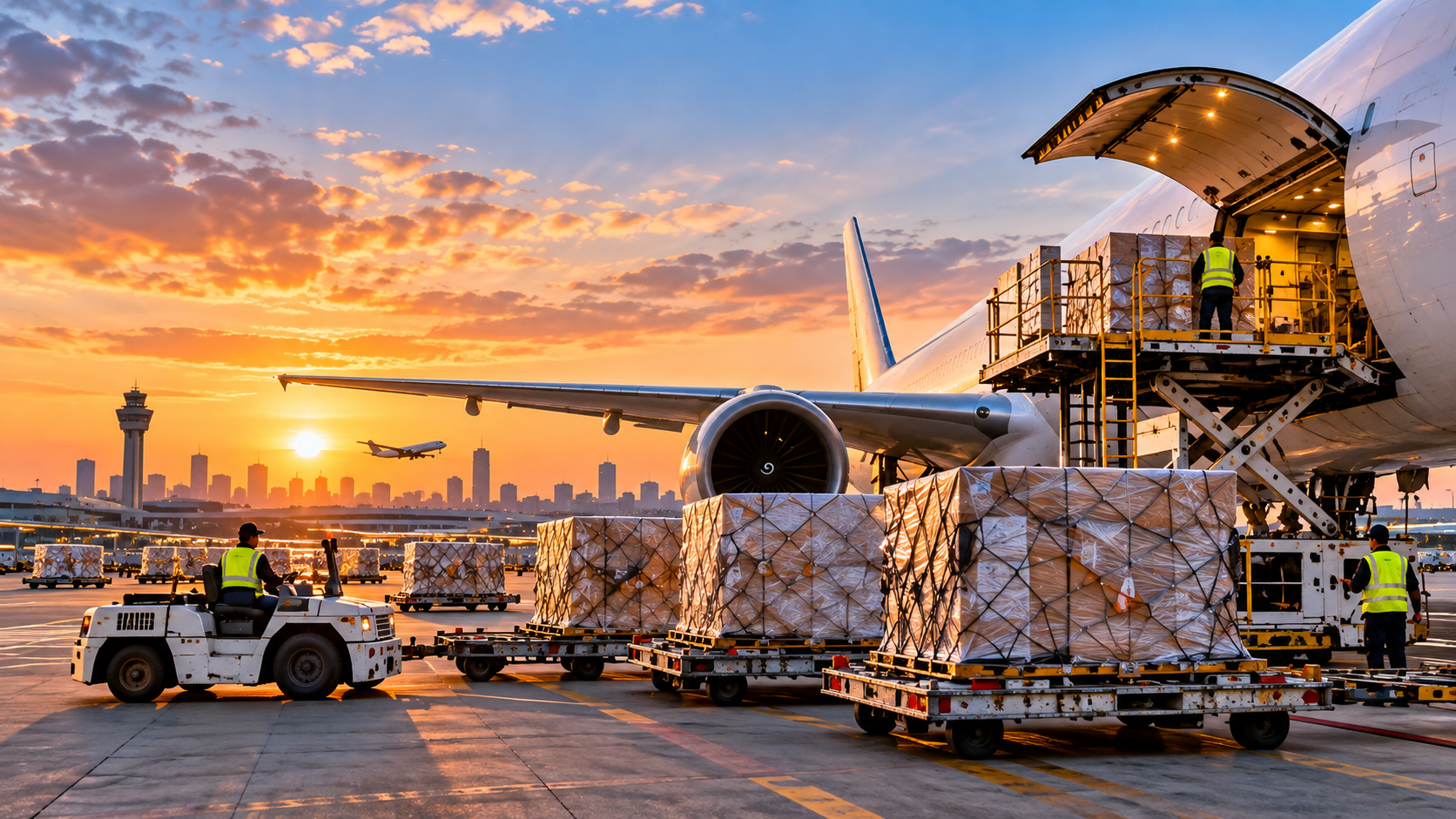
Cargo Clearance, Parcel Volumes, and Shifting Logistics Channels
Cross-border e-commerce logistics between China and the United States continues to evolve in 2026. While trade policy and customs regulations frequently dominate industry headlines, day-to-day cargo operations do not always reflect the same level of disruption.
Recent operational feedback from parts of the logistics industry suggests that cargo clearance at major gateways such as New York JFK and Los Angeles International Airport continues without widespread extraordinary delays. At the same time, some providers have experienced softer volumes in e-commerce parcel handling and relabeling operations.
These observations raise an important question: Is cross-border demand declining, or is the flow of cargo simply changing?
1. Customs Policy and Operational Reality
Changes in U.S. import regulations can affect documentation, duty obligations, compliance requirements, and shipping costs. However, regulatory changes do not automatically translate into longer clearance times for every shipment.
Importers should distinguish between new policy requirements and actual cargo-processing conditions. Clearance performance can vary by commodity, entry type, importer, and compliance history.
Normal operations at individual facilities should not be interpreted as evidence that customs enforcement has become less stringent across the country.
2. Why E-Commerce Parcel Volumes May Fluctuate
Short-term changes in parcel volumes may reflect several factors, including China's National Day holiday, factory production schedules, airline capacity, seasonal demand, inventory adjustments, and changes in logistics providers.
Some relabeling and parcel-processing operations have reported lower volumes. However, a reduction at one facility does not necessarily indicate a comparable decline in total U.S. imports.
It is important to distinguish temporary seasonal fluctuations from longer-term structural changes in shipping patterns.
3. Logistics Channels Continue to Evolve
Cross-border sellers increasingly need to evaluate shipping strategies based on total delivered cost rather than transportation rates alone.
Customs processing, warehousing, relabeling, last-mile delivery, delivery area surcharges, and returns management all contribute to the economics of cross-border fulfillment.
Businesses may adjust their transportation providers, customs entry procedures, fulfillment locations, and distribution networks as operating conditions change.
4. What Should Logistics Providers Monitor?
For logistics providers, importers, and e-commerce businesses, several operational indicators deserve attention:
- Actual customs release and examination times
- Daily and weekly cargo and parcel volumes
- Air freight capacity and transportation costs
- Warehouse and relabeling throughput
- Last-mile delivery costs and service performance
- Changes in customer shipping and fulfillment patterns
5. Looking Ahead
The key question is no longer simply whether cargo is moving. It is how cargo moves, through which channels, and at what total cost.
Changes in trade regulations may reshape logistics strategies without necessarily causing widespread operational disruption.
For China–U.S. cross-border logistics, understanding actual cargo flows and fulfillment economics remains more valuable than reacting to headlines alone.
NovaFlow USA | Global Supply Chain Insights
This article provides general industry observations and does not represent official customs statistics or legal advice.